A few years ago, we joined a project to extend an existing development team. Within the first weeks, we noticed several technical issues that were slowing everyone down on a daily basis. We raised them. Some teammates agreed, including the technical lead. Together we proposed changes to fix the underlying problems.
The management's response was: thanks for the proposals, but not now. Let's focus on the current targets.
There was always a reason. We don't have the time and budget for this right now. Prioritize the features we need to deliver. Every time we brought it up, the answer came back the same way: if we don't deliver on time, there's no money to pay for development at all. It was framed as common sense. Fix the leak later, keep the boat moving now.
The Loop That Feeds Itself
The main problem was that the boat kept slowing down. Without proper development infrastructure, every feature took longer to build and longer to verify. The team was continuously missing deadlines, and each missed deadline made management even less willing to "waste time" on infrastructure. It became a loop feeding itself.
Talking about it with our colleagues, we understood that this wasn't new. They had raised the same concerns long before we arrived, and got the same answer. So they stopped raising them.
When Uncertainty Gets Hidden
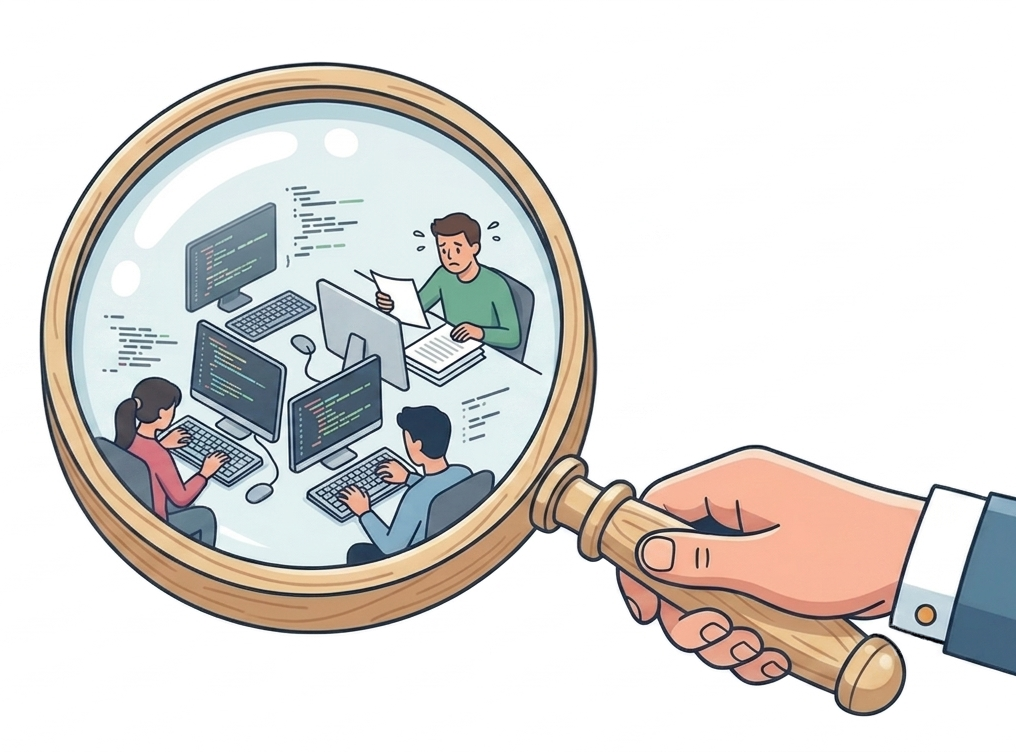
The most disturbing part was that people started to hide their uncertainty. Nobody said this won't work even if a feature looked risky or unlikely to land on time. The answer was always "yes, we can do it". If someone admitted a deadline was unrealistic, they were mocked for it, sometimes in front of the whole team.
Over time, this cost the project some of its best people. The ones who couldn't accept working like that left the team. The ones who stayed adapted themselves to the situation and simply accepted that they couldn't change it. They just accepted the decision of the management and tried their best to fulfill the requirements. It fully destroyed the ownership of the team. Teammates did exactly what was asked, nothing more, because initiative wasn't rewarded.
The Burden of Reporting
On top of that came the reporting. Every daily meeting meant walking through each task in detail, not just status but full explanations of why something was still in progress. From time to time we also had to write longer reports about the problems, the slow progress and the possible solutions. We kept noting the same bottlenecks every time, but it never felt like anyone actually read them. If management did read them, the remarks were ignored anyway, since they didn't fit the existing plan. All of this ate precious development time, and slowed the team down even further.
What made it even worse was that we weren't allowed to just fix things ourselves, even when the problem and the solution were obvious. Every small change had to be reported and discussed first, and that approval loop became a bottleneck on its own.
What Micromanagement Looks Like
This is what micromanagement looks like from the inside. Not always shouting or hovering over someone's shoulder. Often it's quieter and appears as a pattern of dismissed feedback that teaches people it is safer to stay silent.
The most obvious signs of micromanagement we noticed were:
- Engineers stop raising problems and start hiding uncertainty
- Initiative isn't rewarded, so people do exactly what's asked and nothing more
- Talented engineers leave the team
- Every decision, even trivial ones, requires approval before moving forward
- Detailed time breakdowns and reports are required, even when nothing has really changed
Breaking the Loop
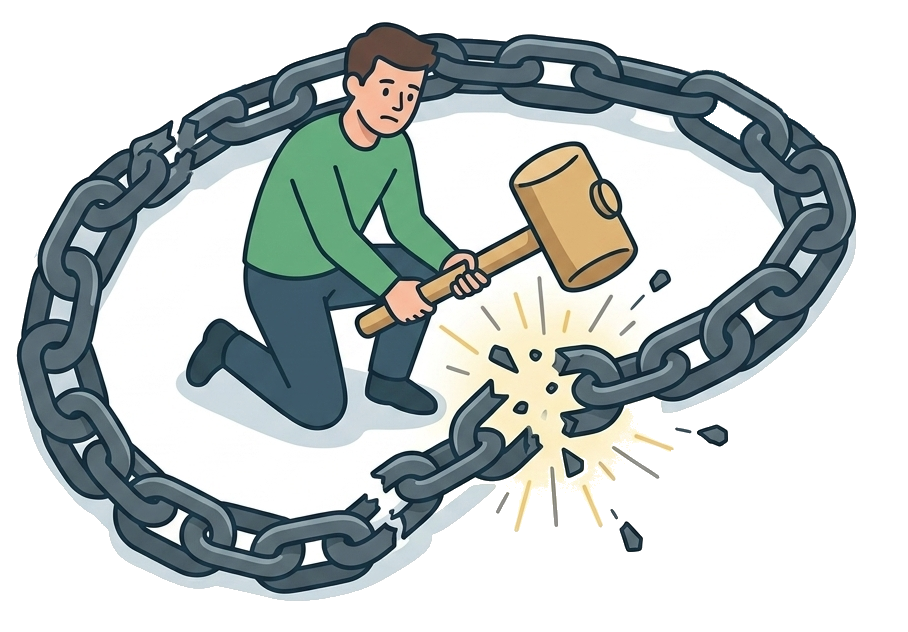
We found that escaping from a micromanagement trap is extremely difficult because it is almost always due to a lack of trust. Whenever a project starts failing, managers feel that they have to tighten control. This leads directly to micromanagement. As a result, engineers stop taking initiative, which makes the situation even worse.
To break that loop, it is necessary to rebuild trust.
1. Shift from Raising Problems to Presenting Trade-Offs
Telling management that "the infrastructure is bad" doesn't work. What they often hear is: "we want to delay business goals until the code is refactored". Instead of asking for time to fix the technical debt, explain the trade-offs of not delivering the fixes.
2. Build a Track Record with Small Wins
It is not possible to fix the entire engineering culture in a single shot. Pick a small bottleneck that blocks both the developers and management. Focus on that single issue to prove that technical improvements directly speed up delivery.
3. Address the Culture of Fear Directly
If team members are hiding uncertainty because they fear management's reactions, then the senior members of the team need to lead by example.
4. Know The Limits
If the team has consistently demonstrated value, communicated transparently, and addressed technical fixes, but management still insists on micromanagement, the issue is not a process problem. It is a leadership problem. At that point, the healthier long-term investment for any company is fixing that leadership gap, not adding more oversight.
Does your team face similar challenges with management or team dynamics? Feel free to reach out.
Contact